How to Determine the IP Rating and MIL-SDT Compliance You Need for Your Two-Way Radios Your two-way digital radio can be as robust as you need it to be. IP Ratings and Military Standards are used to test and certify that two-way radios can stand up to water, dust,...
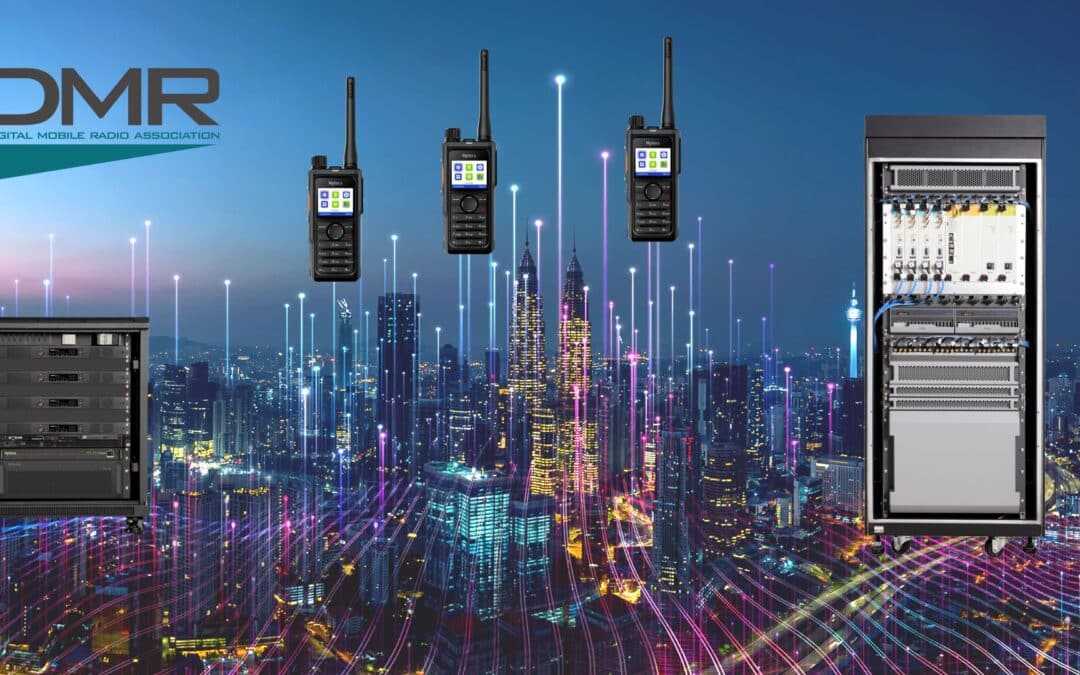
An Overview of the Three DMR Tiers and How they are Used The industry standard Digital Mobile Radio (DMR) consists of DMR Tier I, Tier II and Tier III. It is important to understand the differences between the DMR Tiers to know which is the best radio system for your...
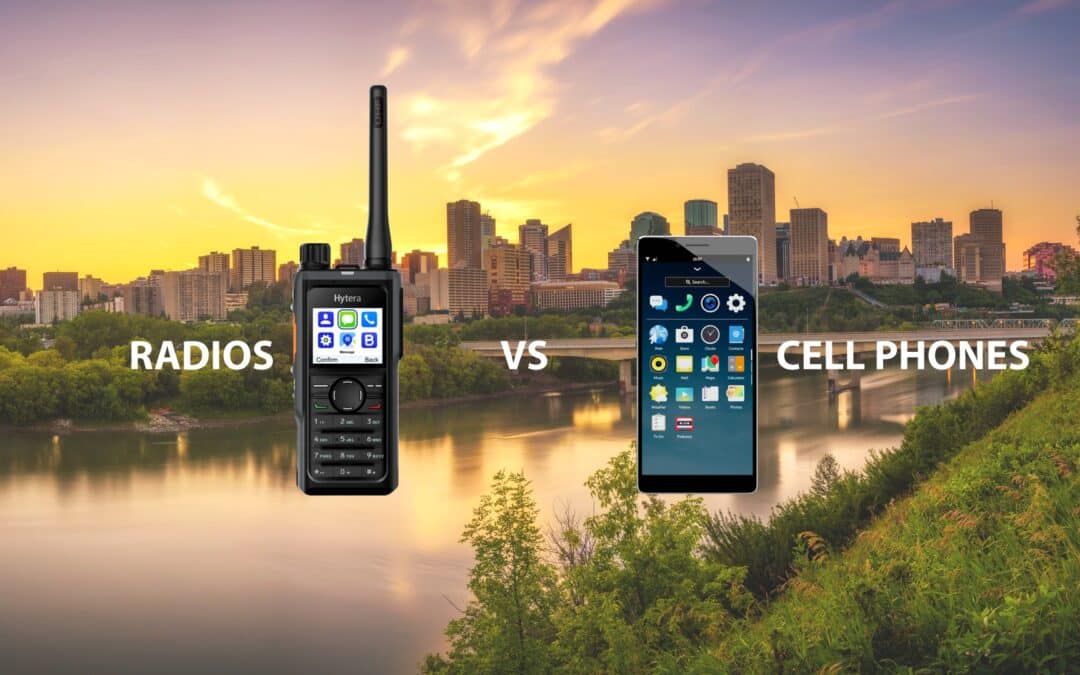
The Benefits of Two-Way Radios vs Cell Phones Two-way radio systems have many advantages over cell phones for commercial users Here are some of the top reasons to consider a two-way radio system over a cell phone solution for your organization. Lower Cost...
The Different Battery Types and How to Charge Them to Ensure Long Operation Many businesses and organizations rely on two-way radio communications, so battery life is critical for reliable day-to-day operations. To maintain vital communication, it can help to...
How GPS Location Tracking and Geofencing Works, and the Benefits to Your Organization Two-Way Radios with built-in GPS enable tracking of worker locations with dispatching software applications. This provides several benefits to organizations with remote workers....